Explained
Why Do Movie Theaters Make Most of Their Money From Popcorn?

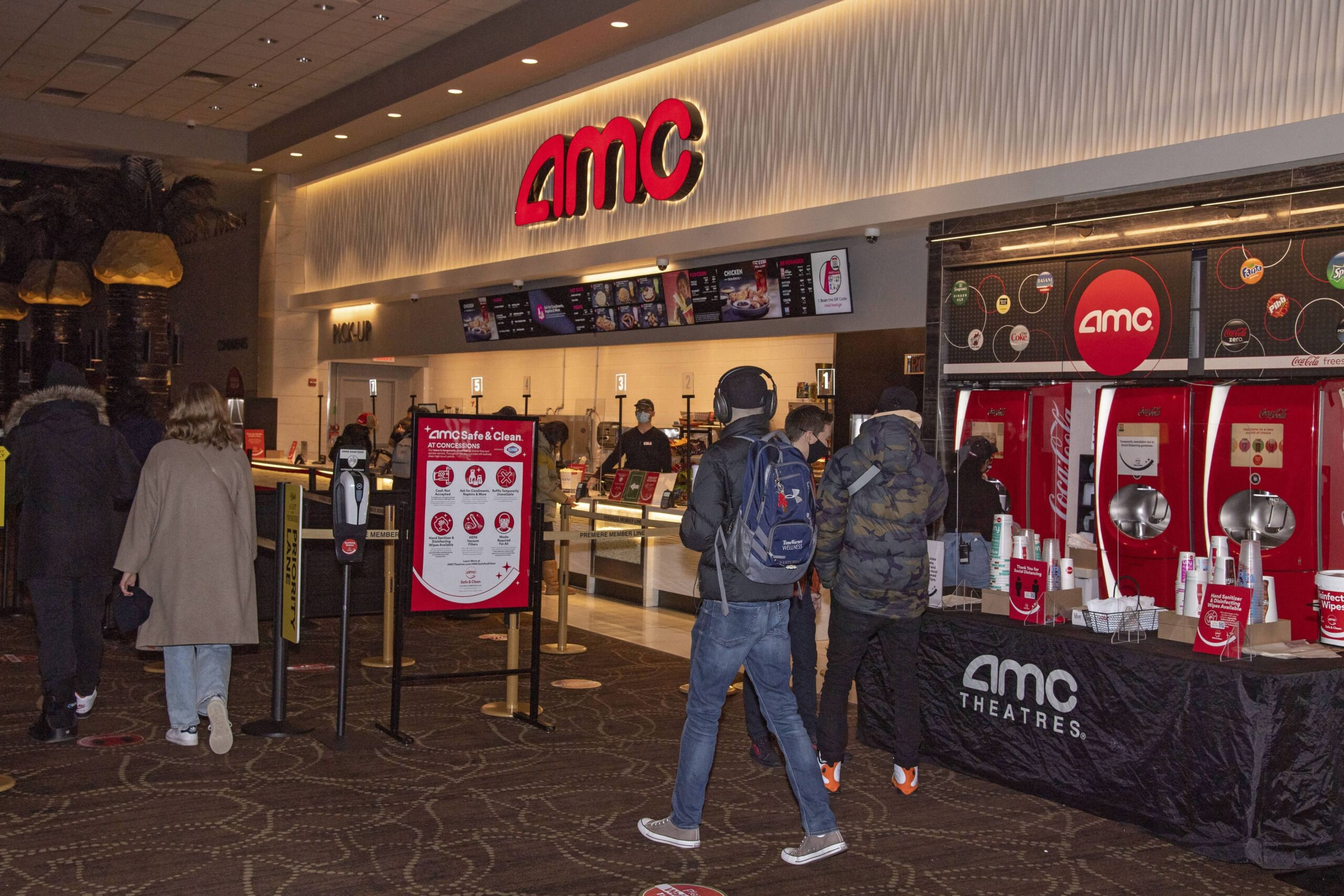
The ticket already cost $12. Now the concession counter wants $9 for a bucket of popcorn that cost the theater maybe a dollar to make. It feels like a shakedown — but it’s the reason your local theater is still open.
Theaters keep surprisingly little of the ticket money. Studios collect film rental fees off the top: AMC, the world’s largest chain, paid out 48% of its admissions revenue in film exhibition costs in 2024, according to its annual report, and the split — negotiated film by film — skews hardest toward the studio during a blockbuster’s opening weeks, when The Hustle reports it can run as high as 70%.
Popcorn flips that math. Every concession dollar stays in the building, and almost all of it is profit — the same AMC filing shows food and drinks cost the company just 18.8 cents for every dollar they brought in, a gross margin above 81%.
Research from the Stanford Graduate School of Business by economists Wesley Hartmann and Ricard Gil found the pricing is deliberate: charging frequent moviegoers more at the counter lets theaters keep ticket prices lower for everyone else. In the theater chain they studied, concessions made up about 20% of revenue but roughly 40% of profits.
Theaters didn’t always love the stuff. Early movie palaces banned popcorn, Smithsonian Magazine reports — owners with fine carpets considered it messy street food, so vendors hawked bags outside the doors. The Great Depression changed everything. A 5- or 10-cent bag was an affordable luxury, and theaters that installed popcorn machines survived while holdouts failed.
One Dallas chain added machines to 80 theaters and watched profits soar; its five popcorn-free houses slid into the red. By 1945, more than half the popcorn eaten in America was eaten at the movies.